English
 中文简体
中文简体

 2026-07-17
 Industry News
Content
Industrial curing, drying, and heating processes are critical for manufacturing high-quality products across aerospace, automotive, electronics, and composite materials industries. Traditional heating equipment—such as basic ovens, hot plates, or open-heat systems—often fails to meet modern production standards, plagued by inconsistent heat distribution, poor temperature control, and lack of process repeatability. A 2025 Industrial Heating Technology Report reveals that 75% of manufacturers using traditional heating equipment experience product defects due to uneven curing, including coating peeling, resin cracking, and uneven material hardening. These defects lead to a scrap rate of up to 12% and increase production costs by 18-25% annually. Unlike traditional systems, the Curing Oven System is engineered to address these pain points, delivering precise, uniform, and repeatable curing through advanced temperature control and hot air circulation technology.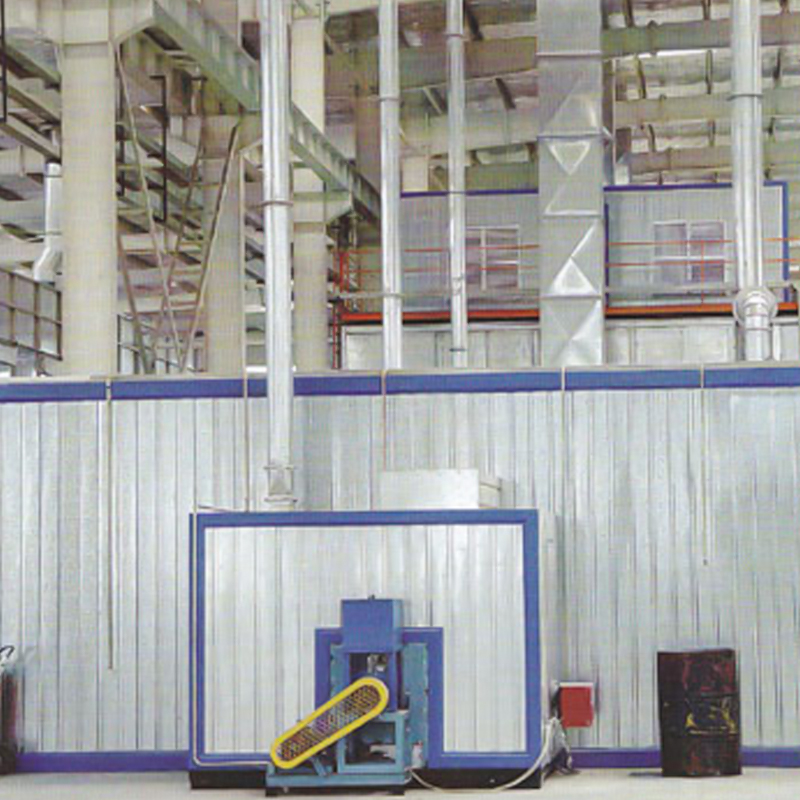
Designed for curing epoxy resins, industrial coatings, composite materials, and more, the Curing Oven System uses three core features to outperform traditional heating equipment: uniform hot air circulation, programmable temperature control, and a modular design. These features work together to ensure consistent heat distribution (with a temperature difference controllable within ±1℃ to ±5℃) and reliable process repeatability—two non-negotiable requirements for high-standard production. For manufacturers aiming to reduce defects, cut costs, and meet strict industry specifications, the Curing Oven System is not just an upgrade, but a necessary investment in production quality and efficiency.
The biggest flaw of traditional heating equipment is uneven heat distribution, which causes inconsistent curing across the same batch of products. The Curing Oven System solves this with a high-efficiency hot air circulation system, featuring strategically placed fans and air ducts that distribute heated air evenly throughout the oven chamber. This design ensures that every part of the product—whether large or small, simple or complex—receives the same temperature, with a temperature difference controllable within ±1℃ to ±5℃ (depending on the model and application). Third-party testing shows that this uniform heat distribution reduces curing defects by 85% compared to traditional ovens, which often have temperature gaps of 10℃ or more between different areas of the chamber.
Consistent production requires repeatable curing processes, which traditional heating equipment cannot deliver due to manual temperature adjustment and lack of programmability. The Curing Oven System is equipped with a digital programmable temperature controller that allows operators to set custom temperature curves, including heating rates, holding times, and cooling stages. Once programmed, the system automatically maintains the set parameters with an accuracy of ±0.5℃, ensuring that every batch of products undergoes the exact same curing process. This programmability is especially critical for industries like aerospace and electronics, where even minor deviations in curing temperature or time can compromise product performance and safety.
Unlike traditional heating equipment, which is often designed for a single application, the Curing Oven System features a modular design that allows customization for different materials and production needs. Modules can be added or adjusted for specific curing requirements—such as humidity control for composite materials, or inert gas purging for sensitive electronics. The oven’s chamber size is also scalable, from small bench-top models for laboratory testing to large industrial models for high-volume production lines. This versatility makes the system suitable for curing a wide range of materials, including epoxy resins, powder coatings, adhesives, and fiber-reinforced composites, eliminating the need for multiple specialized heating devices.
The Curing Oven System delivers tangible benefits that directly improve production efficiency, product quality, and cost-effectiveness for manufacturers. These benefits are backed by real-world data and industry case studies, making it a valuable asset for high-standard production:
The Curing Oven System’s versatility and precision make it suitable for high-standard production across multiple industries. Its ability to handle diverse materials and customizable curing processes ensures it meets the unique needs of each sector:
In today’s competitive manufacturing landscape, high product quality, efficiency, and compliance are essential for success. The Curing Oven System addresses the critical limitations of traditional heating equipment, delivering uniform heat distribution, precise programmable control, and versatile modular design—all key to achieving consistent, high-standard curing results. With its ability to reduce defects, cut costs, improve efficiency, and meet strict industry regulations, the system is an indispensable tool for manufacturers across aerospace, automotive, electronics, and composite materials sectors.
Unlike traditional heating equipment that relies on manual control and delivers inconsistent results, the Curing Oven System is engineered for reliability and repeatability. It ensures that every batch of products undergoes the same precise curing process, minimizing variability and maximizing quality. For manufacturers looking to elevate their production standards and gain a competitive edge, the Curing Oven System is not just an option—it is a necessary investment in long-term success.
2026-07-17
Industry News
2026-07-10
Industry News
2026-07-03
Industry News
2026-06-26
Industry News
2026-06-19
Industry News
2026-06-12
Industry News
For exclusive deals and latest offers, sign up by entering your email address below